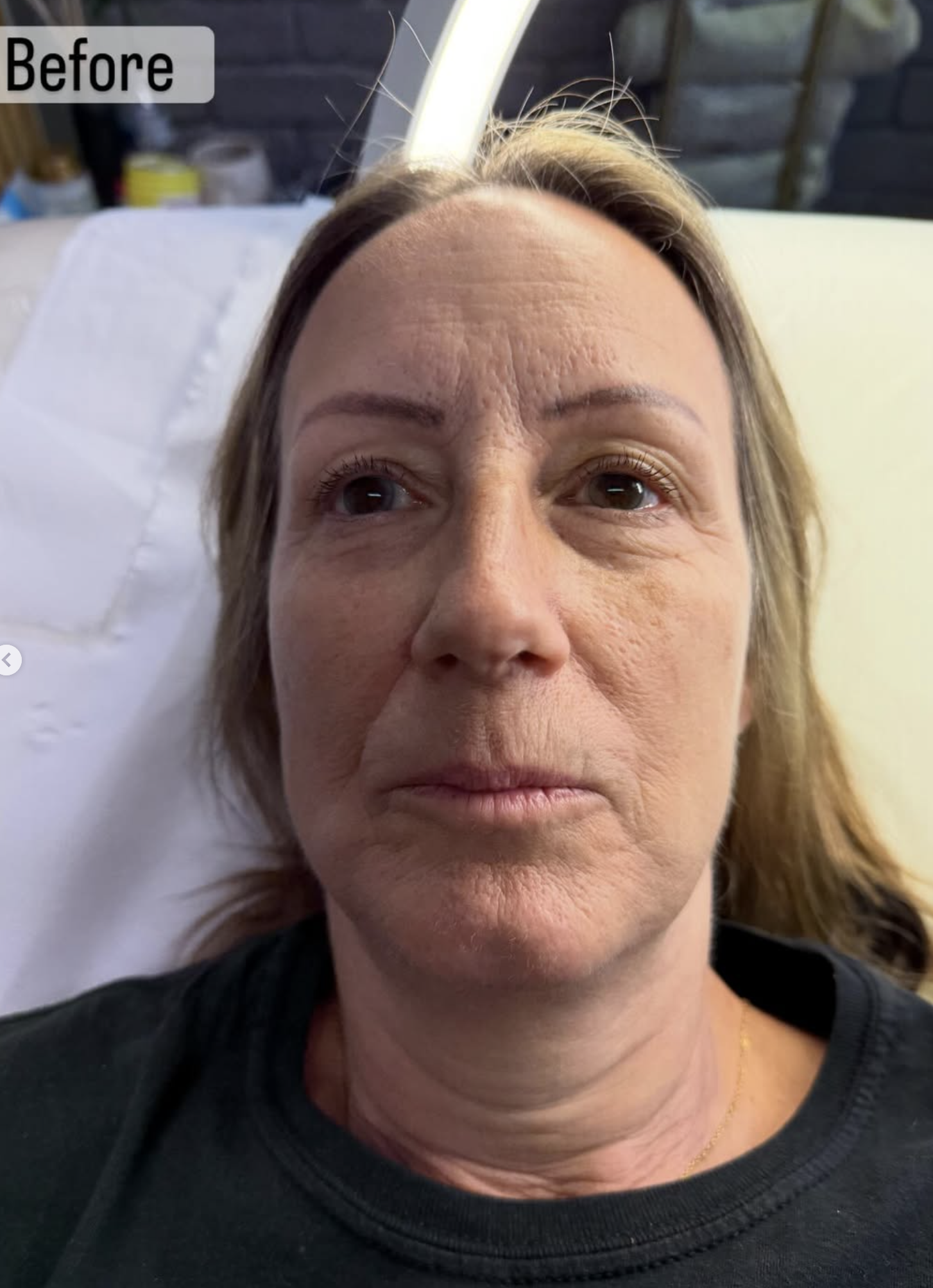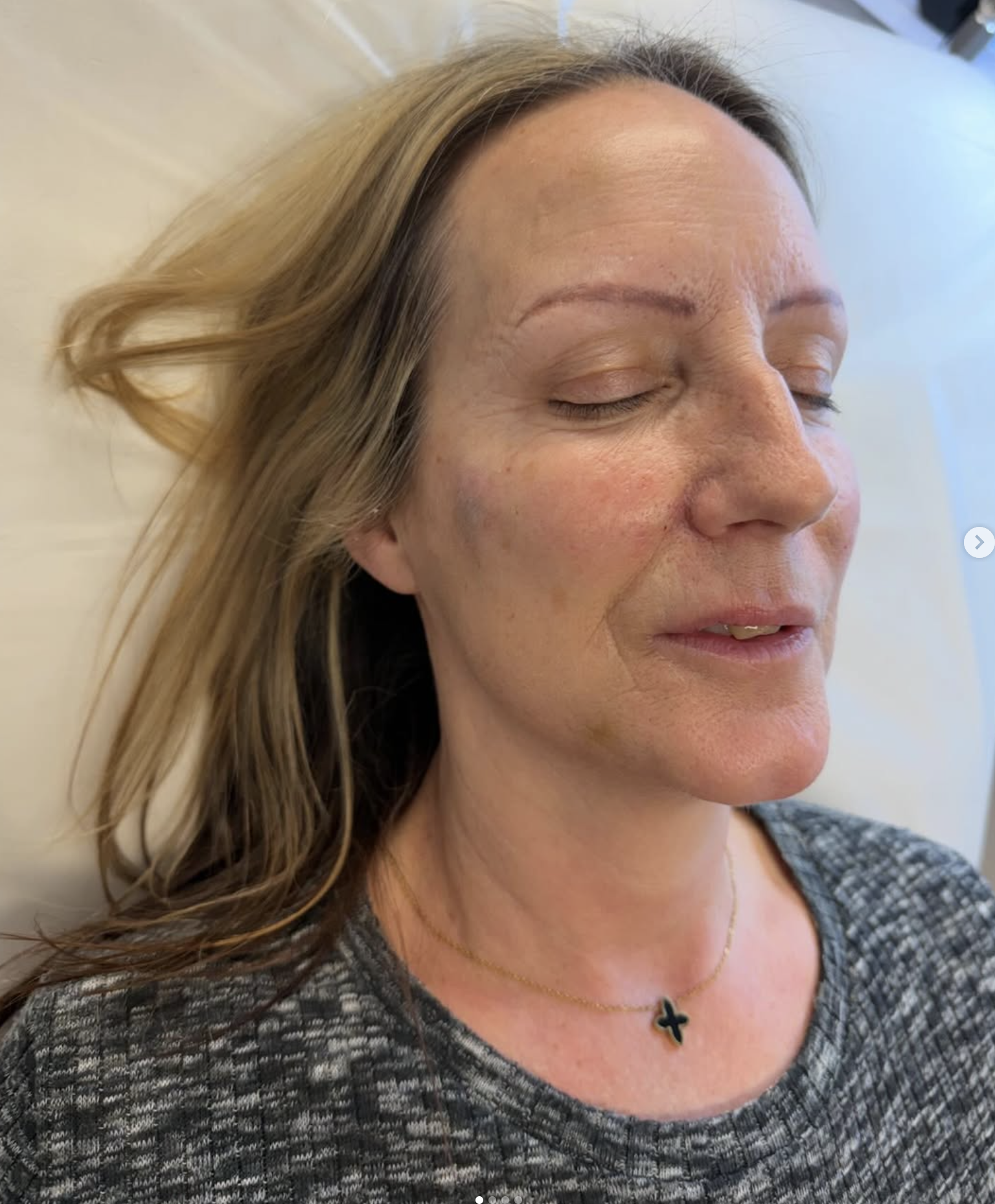
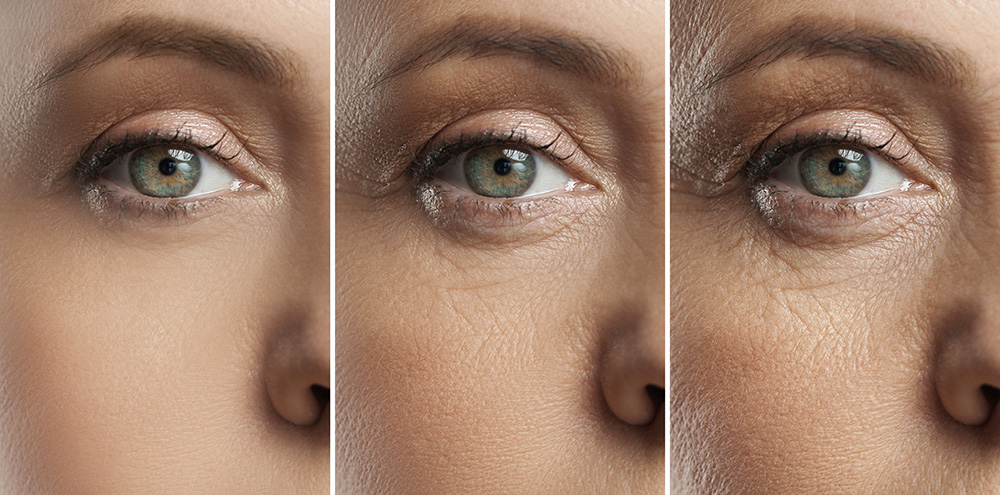
Collagen is the main structural protein in your skin. You can think of it as the internal scaffolding that keeps your face firm, smooth and supported. When collagen levels are healthy, skin looks plumper, pores appear tighter and fine lines are less noticeable.
As you get older, your natural collagen production slows. This can start earlier than many people expect, and it is gradually influenced by factors such as UV exposure, stress, sleep quality and lifestyle. Over time, the skin’s support network becomes thinner and weaker. You may notice loss of elasticity, more visible lines around the eyes and mouth, and a general “tired” look to the face.
Collagen loss is normal, but you are not stuck with it.
By supporting collagen from several angles, you can help your skin look firmer and fresher for longer. That includes good skincare, smart lifestyle choices and, when appropriate, professional aesthetic treatments. The aim is not to chase an unrealistic ideal. The aim is to rebuild strength in the skin so your face looks like you, just more rested and refined.
This guide explains clear, evidence based ways to protect the collagen you have and encourage new collagen in the face, so you can plan the right approach for your skin in 2026 and beyond.
Six evidence based ways to restore collagen in the face
-
Topical retinoids and peptides
Retinoids encourage skin cells to renew and signal collagen production. Start with a low strength product in the evening and build up slowly to limit irritation. Peptides act as short message fragments that can support firmness when used consistently. Look for well formulated products and give them time, usually several skin cycles.
-
Daily sun protection
UV light breaks down collagen, even on cloudy UK days. Use a broad spectrum SPF each morning on the face, neck and hands, and reapply if you are outdoors for long periods. Combine this with shade, sunglasses and hats. Protecting collagen you already have is just as important as creating new collagen.
-
Diet rich in vitamin C and protein
Your skin needs vitamin C to build collagen, and protein provides the amino acids that form it. Aim for regular portions of lean protein across the day and a variety of colourful fruit and vegetables. Good hydration supports overall skin function.
-
Collagen and vitamin C supplements
Collagen and vitamin C supplements can support a balanced routine, but they are not magic. Quality, dose and your general health all influence whether you notice a change. Use them to fill gaps in your diet, not to replace it. If you have health conditions or take medication, speak with a healthcare professional before starting any supplement.
-
Non surgical collagen boosting treatments
Microneedling uses tiny needles to create controlled micro channels in the skin, which can trigger collagen production during healing. Platelet rich plasma (PRP) uses a concentrated part of your own blood that is reapplied to the skin to support regeneration. Fractional lasers deliver focused energy into the deeper layers of skin, which can remodel collagen over time. These treatments should always be performed by trained clinicians.
-
Dermal fillers for structure and support
Hyaluronic acid fillers restore lost volume and support facial structure. This can softly lift and smooth the skin, which helps lines look less pronounced while your natural collagen rebuilds in the background. Some fillers also encourage your own collagen over time. Results are temporary and require maintenance, so a personalised plan with a qualified practitioner is important.
Safety first when restoring facial collagen
Every skin and every face is different, so safe collagen support starts with a proper consultation. Before you begin new skincare, supplements or in clinic treatments, Ziba Aesthetics will review your skin, medical history and goals. This helps you avoid irritation, wasted money and unnecessary risk.
Ask about our qualifications, treatment options and possible side effects, and you will receive clear, honest answers.
Certain situations need extra care. For example, you may require specialist assessment if you:
- Are pregnant, breastfeeding or planning pregnancy
- Have active skin conditions on the face, such as flare ups or infections
- Have a history of keloid or problematic scarring
- Take regular medication, especially for blood thinning or immune conditions
- Have allergies or previous reactions to skincare, fillers or local anaesthetics
Your safety should always come before speed or trends. A thorough consultation, realistic plan and clear aftercare give you the best chance of smoother, firmer skin with fewer unwanted surprises.
Book your personalised collagen consultation at Ziba Aesthetics
If you are ready to take a more focused approach to your skin, a tailored consultation at Ziba Aesthetics can help you decide what will genuinely benefit your collagen, and what you can skip.
In your appointment, we review your skin, facial structure and medical history, then create a clear plan that may include medical grade skincare, collagen friendly lifestyle advice, in clinic treatments and dermal fillers where appropriate. You stay in control at every step, with transparent information on expected outcomes, downtime and maintenance.
To make it easier to get started, we offer:
- Package options that combine therapies, for example staged microneedling to support steady collagen rebuilding
You deserve a plan that fits your face, your lifestyle and your budget. To talk through your options for smoother, firmer skin, contact Ziba Aesthetics and book your consultation for a time that suits you.
Useful links:
Vitamin C — role in skin health